Introduction
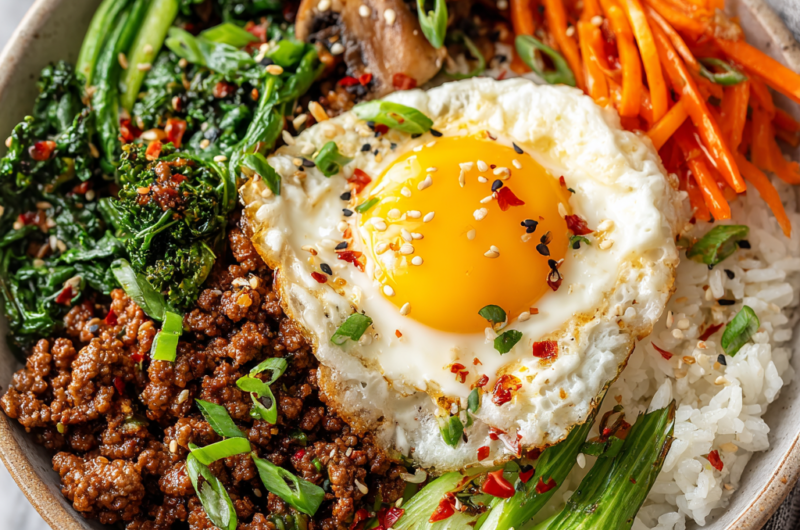
If you're craving a dish that's as bold as it is comforting, look no further than Spicy Korean Ground Beef and Rice Bowls That Beat Ordering Delivery. The combination of juicy ground beef, fragrant garlic, and a fiery sauce is sure to satisfy your taste buds and elevate your midweek dinner plans.
In just 30 minutes, you can whip up a meal that not only delights your palate but also fills your kitchen with savory scents. Imagine the warmth of a steaming bowl of rice topped with perfectly spiced beef, fresh vegetables, and your choice of toppings, all coming together for a harmonious flavor explosion.
Ingredients
- 1 lb ground beef
This is the heart of the dish, offering a rich and savory base. Ground beef provides excellent texture and absorbs the flavorful sauce. - 2 tablespoons soy sauce
Soy sauce adds depth and umami, enhancing the beef's flavor. You can substitute with tamari for a gluten-free option. - 1 tablespoon gochujang
This Korean chili paste infuses the dish with heat and complexity. Adjust the amount based on your spice tolerance. - 1 tablespoon sesame oil
Sesame oil contributes a nutty aroma and flavor, making each bite more satisfying. It can be swapped with olive oil in a pinch. - 3 garlic cloves, minced
Garlic brings a vibrant aroma and sharpness. Fresh is preferable, but you may use garlic powder if needed. - 1 teaspoon ginger, minced
Ginger adds warmth and zest, balancing the dish’s richness. - 2 green onions, chopped
These provide freshness and a slight crunch, perfect for garnishing. Feel free to use chives or regular onions as alternatives. - 2 cups cooked rice
Rice serves as the perfect base, soaking up the flavors of the beef mixture. Use jasmine or basmati for a fragrant touch. - 1 cup mixed vegetables (like bell peppers, carrots, and snap peas)
Veggies add color and crunch, making the dish more filling and nutritious. - Sesame seeds for garnish
These add a delightful crunch and nutty flavor, enhancing the dish’s visual appeal.
Directions & Preparation
Step 1: In a large skillet, heat sesame oil over medium heat.
Allow the oil to shimmer slightly, which indicates it's hot enough to cook. This oil will enhance the aromatic profile as it cooks with the beef.
Step 2: Add minced garlic and ginger, sautéing until fragrant.
About 1-2 minutes should do the trick. The aroma of garlic mingling with ginger is intoxicating and will have your mouth watering.
Step 3: Stir in the ground beef, breaking it apart with a spatula.
Cook until browned, approximately 5-7 minutes. The beef should turn a lovely golden brown, releasing its fat and building layers of flavor.
Step 4: Mix in soy sauce and gochujang, followed by your vegetables.
Toss everything together, allowing the beef to absorb the sauce. A few minutes in the pan will make the veggies tender yet still vibrant and crisp.
Step 5: Cook for another 5 minutes, stirring occasionally.
Ensure everything is combined well and heated through. The sauce will thicken slightly, coating the beef evenly and embracing the vegetables.
Step 6: Serve the beef mixture over cooked rice and garnish with green onions and sesame seeds.
The contrast of the warm, spiced beef against the fluffy rice is magical. A sprinkle of green onions and sesame seeds elevates the presentation.

The Impact of Marinades on Flavor
Marinating the beef isn’t necessary here, as the soy sauce and gochujang meld into the meat beautifully as it cooks. However, adding the soy sauce early helps to tenderize the beef while infusing it with flavor from the get-go.
Why Fresh Ingredients Matter
Using fresh garlic and ginger instead of powdered forms can significantly elevate your dish. Fresh ingredients lend a brightness that dried ones can't replicate, adding layers of flavor that make each bite extraordinary.
The Perfect Veggie Pairings
Including a variety of vegetables not only adds texture but also enhances the meal’s nutritional profile. Brightly colored vegetables like bell peppers and carrots contribute vitamins and make your bowl visually appealing.
FAQs
What if my gochujang is too spicy?
You can reduce the amount of gochujang and add honey or sugar to balance the heat. Taste as you go to find your ideal spice level.
How do I prevent my beef from becoming tough?
Cooking the beef just until it's no longer pink ensures it remains tender. Overcooking ground beef can lead to toughness.
Can I add more vegetables to this recipe?
Absolutely! Feel free to incorporate your favorite vegetables like zucchini, broccoli, or baby corn for added nutrition.
What rice works best for this dish?
Jasmine or basmati rice is recommended for their floral aroma and fluffy texture. You can also use brown rice for a healthier option.
Can I use turkey or chicken instead of beef?
Yes, ground turkey or chicken can be substituted in this recipe, but the flavors may be slightly different. Adjust seasoning to enhance taste.
How can I make this dish vegetarian?
Replace the ground beef with textured vegetable protein (TVP) or sautéed mushrooms for a hearty alternative.
Conclusion
Spicy Korean Ground Beef and Rice Bowls That Beat Ordering Delivery are not only easy to prepare but also bursting with flavor. Treat your senses to this vibrant and fulfilling meal for an unforgettable dining experience.
With its irresistible combination of spice, texture, and aroma, you might just find yourself cooking it again and again. So go ahead, gather your ingredients and dive into this satisfying bowl of goodness tonight!
Recipe Card
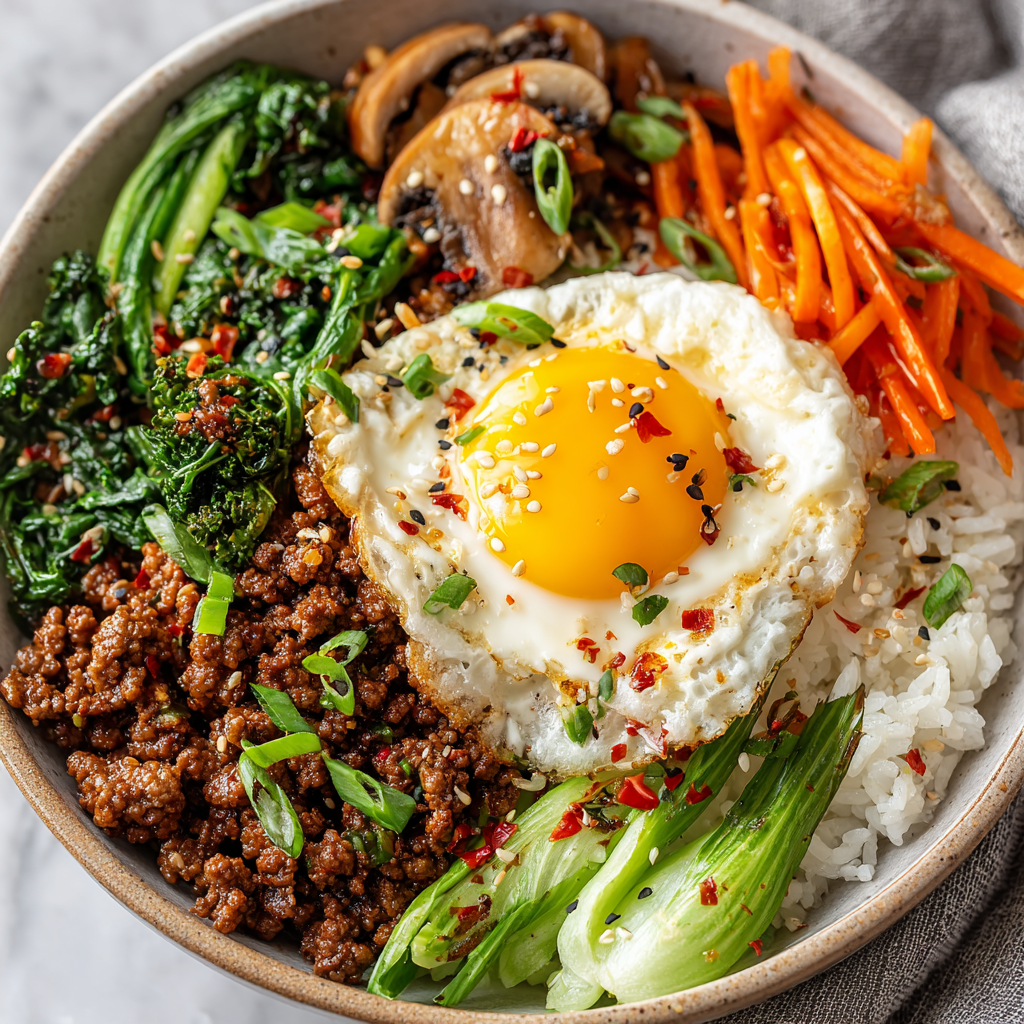
Savor Spicy Korean Ground Beef and Rice Bowls Tonight
Ingredients
Method
- In a large skillet, heat sesame oil over medium heat.
- Add minced garlic and ginger, sautéing until fragrant.
- Stir in the ground beef, breaking it apart with a spatula.
- Mix in soy sauce and gochujang, followed by your vegetables.
- Cook for another 5 minutes, stirring occasionally.
- Serve the beef mixture over cooked rice and garnish with green onions and sesame seeds.
Notes
Notes
Additional serving suggestions: pair with a crisp salad, garlic bread, or roasted seasonal vegetables for balance.
For make-ahead, prep components separately and assemble just before heating to preserve texture.
Taste and adjust with acid (lemon/vinegar) and salt right at the end to wake up flavors.